
eSim will be instantly delivered via email! 📧
Best eSIM for Georgia in 2026
Plans compared. We tested 10+ eSIM providers for Georgia on price, speed, coverage, and ease of use.
Georgia eSIM Travel Guides
> Best eSIM for Georgia
In This Guide
Georgia isn’t in the European Union. That means your EU SIM card won’t work here, and your home carrier’s roaming fees will hit hard — think $7 per megabyte on some networks.
The good news? An eSIM solves this in about two minutes — no airport queues, no passport registration, no hunting for a Magti shop in Tbilisi. You buy a plan before your flight, scan a QR code, and you’re online the moment you land.
We compared over ten eSIM providers for Georgia to find the ones worth your money. Here’s what we found.

Quick Answer: Top 3 Picks for Georgia
Not interested in a deep comparison? Here’s the short version:
| Pick | Provider | Best For | Plan | Price |
|---|---|---|---|---|
| Our pick | Roamzi | Easy setup, reliable support, and balanced pricing | 5GB / 30 days | Check latest price |
| Budget pick | Airalo | Light users on short trips | 1GB / 7 days | ~$5.50 |
| Heavy data | Saily | Big data + security features | 20GB / 30 days | ~$48.99 |
If you just want a reliable eSIM that works across Georgia with solid customer support, Roamzi’s Georgia eSIM covers you from Tbilisi to the mountains of Svaneti.
What You Need to Know About Connectivity in Georgia
Three carriers run Georgia’s mobile networks. MagtiCom is the market leader with 98% territorial coverage. Silknet (which merged with Geocell in 2018) covers 99% of populated areas. Cellfie (formerly Beeline) is the smaller third option.
4G covers over 90% of the population. You’ll get reliable LTE in Tbilisi, Batumi, Kutaisi, Kazbegi, and throughout the Kakheti wine region. Along highways and in tourist areas, coverage is solid.
5G is early but growing. Silknet launched Georgia’s first 5G network in December 2023, covering central Tbilisi. Cellfie also offers 5G in limited areas. Don’t count on 5G for your trip — 4G is what you’ll actually use, and it’s fast enough for everything. Tbilisi averages around 140 Mbps on mobile data.
Mountain coverage is surprisingly good — with exceptions. Kazbegi, Gudauri, and Mestia all have reliable 4G. The major gaps are in truly remote areas: Tusheti, Khevsureti, and the backcountry trails of Svaneti. Download offline maps before you head into the mountains.
Georgia is NOT part of EU roaming
This catches many European travelers off guard. Your EU SIM card will charge roaming rates in Georgia — potentially as high as $7 per MB. An eSIM or local SIM is essential.
Georgia eSIM Providers Compared
Our Pick
1. Roamzi
Plans: Multiple Georgia plans
Network: Best available local network
Hotspot: Included on all plans
Support: 24/7 live support
Roamzi offers a clean lineup of Georgia plans. Every plan includes hotspot sharing — handy if you’re traveling with someone whose phone doesn’t support eSIM or if you need a laptop connection for remote work. Their 24/7 support is a genuine differentiator. When your eSIM isn’t connecting at a guesthouse in Mestia at 11pm, having someone actually respond matters.
Best for: Travelers who value reliable support and hotspot sharing
Budget Pick
2. Airalo
Plans: 1GB/7d (~$5.50) to 20GB/30d (~$49)
Network: Cellfie (formerly Beeline)
Hotspot: Depends on the plan
Support: 24/7 chat, email, phone
Airalo is the largest eSIM marketplace in the world. Their Georgia plans — branded as “Kargi Mobile” — connect to Cellfie’s network. Pricing is competitive across the board, with a wide range from 1GB to 100GB. The app is well-designed and the brand is well-known. One thing to check: not all plans include hotspot, so read the fine print before buying.
Best for: Budget travelers who need a small data package for a short trip
Best Network
3. Saily
Plans: 1GB/7d (~$4.79) to 20GB/30d (~$48.99)
Network: Geocell/Silknet
Hotspot: Included, no restrictions
Support: 24/7 chat
Saily is built by the team behind NordVPN. The app includes an ad blocker that can save around 30% on data consumption — a meaningful feature when you’re on a limited plan. Web protection adds extra security on public WiFi in Tbilisi’s cafes. Connects to Geocell/Silknet — the carrier with 99%+ populated territory coverage and Georgia’s first 5G network.
Best for: Security-conscious travelers wanting Georgia’s strongest network
4. Holafly
Plans: Unlimited, 1–90 days (~$10.90–$234.90)
Network: Multiple Georgian carriers
Hotspot: Limited daily allowance
Support: 24/7 chat
Holafly’s selling point is unlimited data — no worrying about running out mid-trip. However, “unlimited” comes with a fair usage policy. After heavy daily use, speeds get throttled. For casual browsing and maps, you won’t notice. For video calls or streaming, you might. Pricing is significantly higher than metered alternatives.
Best for: Travelers who hate monitoring data usage
5. GlobaleSIM
Plans: 1GB/7d (~$4.50) to 20GB/30d (~$27)
Network: Geocell
Hotspot: Check specific plan
Support: Email
GlobaleSIM offers some of the most competitive mid-range pricing for Georgia. Their 10GB/30-day plan at around $12 is one of the cheapest options in this tier. They also offer voice add-ons — 100 minutes for $10 or 200 minutes for $17 — which is unusual for travel eSIMs. Transparent pricing with no hidden fees.
Best for: Mid-range data users looking for the best per-GB value
6. GoMoWorld
Plans: 3GB/7d to 30GB/30d, from ~$4.52
Network: Multiple Georgian carriers
Hotspot: Included
Support: Web and app
GoMoWorld keeps it simple with clear plan tiers. Their 12GB/30-day plan at ~$12.99 is notable value. One nice feature: their eSIM is reusable across 170+ countries, so if Georgia is one stop on a longer trip, you can reload data for your next destination without installing a new eSIM. Full refund if activation fails.
Best for: Multi-destination travelers who want a reusable eSIM
7. Nomad (getNomad)
Plans: Starting from ~$5
Network: Choice of MagtiCom, Geocell, or Cellfie
Hotspot: Included
Support: Email and in-app
Nomad stands out in Georgia because you can choose which local carrier to connect to — MagtiCom, Geocell, or Cellfie. This matters if you’re heading to remote areas where one carrier might have better coverage. You can install ahead of time and activate on arrival, with a 60-day window after purchase.
Best for: Travelers heading into remote areas who want to pick their carrier
Price Comparison Table
Here’s how the most popular plan sizes compare across providers (prices in USD, as of February 2026):
| Provider | 1GB / 7 days | 5GB / 30 days | 10GB / 30 days | 20GB / 30 days |
|---|---|---|---|---|
| Roamzi | From $5 | Check Georgia eSIM | Check Georgia eSIM | Check Georgia eSIM |
| Airalo | ~$5.50 | ~$20.00 | ~$35.00 | ~$49.00 |
| Saily | ~$4.79 | — | — | ~$48.99 |
| GlobaleSIM | ~$4.50 | ~$10.00 | ~$12.00 | ~$27.00 |
| Holafly | Unlimited ~$10.90 | Unlimited | Unlimited | Unlimited |
| GoMoWorld | ~$4.52 | — | ~$12.99 (12GB) | — |
| Nomad | ~$5.00 | — | — | — |
Note on value
The cheapest per-GB price isn’t always the best deal. Factor in hotspot inclusion, support quality, activation flexibility, and the network your eSIM connects to. A $2 saving means nothing if you can’t get help when your eSIM won’t activate at Tbilisi airport.

How Much Data Do You Actually Need in Georgia?
Most tourists overestimate how much data they’ll use. Georgia has free WiFi in many places — Tbilisi’s “TbilisiLovesYou” network covers public areas, metro stations have WiFi, and most hotels, hostels, and cafes offer free connections.
| Usage Style | Daily Data | 7-Day Trip | 14-Day Trip | Recommended Plan |
|---|---|---|---|---|
| Light — Maps, messaging, photos | 200–400MB | 1.5–3GB | 3–6GB | 3GB or 5GB |
| Moderate — Social media, email, video calls | 500MB–1GB | 3.5–7GB | 7–14GB | 5GB or 10GB |
| Heavy — Streaming, remote work | 1–3GB | 7–20GB | 14–40GB | 10GB or 20GB |
| Sharing hotspot — Multiple devices | 2–5GB | 14–35GB | 28–70GB | 20GB+ |
Our recommendation for most tourists
A 5GB plan for a 7–10 day trip is the sweet spot. You’ll have plenty for maps, messaging, social media, and the occasional video call — without paying for data you won’t use. Please note this is still considered light usage, so do opt for a larger plan if you wish to spend more time online.
Digital nomads staying longer: If you’re working remotely from Tbilisi, you’ll likely rely on coworking WiFi and home internet for heavy work. A 5–10GB eSIM works well as your everyday mobile connection for getting around the city, with heavier work typically handled on WiFi.
eSIM vs. Airport SIM Card in Georgia
You have two choices for mobile data in Georgia. Here’s an honest comparison. For the full breakdown, see our Georgia SIM Card vs eSIM guide.
| Factor | eSIM | Airport SIM Card |
|---|---|---|
| Setup | Online before your flight | Tbilisi airport kiosk + passport |
| Data per dollar | Lower — 10GB ~$12–$19 | Higher — 20GB ~$14 |
| Local phone number | No (data only) | Yes, Georgian number |
| Convenience | Higher — no store visit | Lower — ~5 min process |
| Late-night arrival | Works immediately | Shops open 24/7 at TBS |
| Home number | Keep active on other SIM slot | May need to swap SIMs |
| Kutaisi airport | Works immediately | Free tourist SIMs available |
The verdict
Georgia’s local SIM plans offer large data allowances at low local prices. Some long-stay or heavy data users add a local plan later, while many travellers rely on an eSIM first for instant connectivity and flexibility.
For everyone else — especially short trips, convenience-focused travelers, or anyone flying into Kutaisi on a budget airline — an eSIM is the smarter choice. The few extra dollars buy you zero hassle and instant connectivity.
How to Set Up Your Georgia eSIM
Setting up an eSIM takes under two minutes. For detailed instructions with screenshots, see our full How to Set Up eSIM for Georgia guide.
Step 1: Check compatibility. Make sure your phone supports eSIM and is carrier-unlocked. Most iPhones from XS onwards and Samsung Galaxy S20+ support eSIM. Use Roamzi’s compatibility checker if you’re unsure.
Step 2: Buy your plan. Purchase your Georgia eSIM (for example from Roamzi). You’ll receive a QR code via email.
Step 3: Install before you fly. Scan the QR code in your phone’s settings (Settings > Mobile Data > Add eSIM on iPhone). Do this at home on WiFi — don’t wait until you’re at the airport.
Step 4: Activate on arrival. Turn on the eSIM data line when you land. Enable data roaming in your settings. Your phone will connect to the local Georgian network automatically.
Step 5: Set your data line. Make sure your phone is using the eSIM for mobile data (not your home SIM). On iPhone: Settings > Mobile Data > select the eSIM line.
Pro tip
Label your eSIM “Georgia Travel” so you can easily identify it in your phone settings.
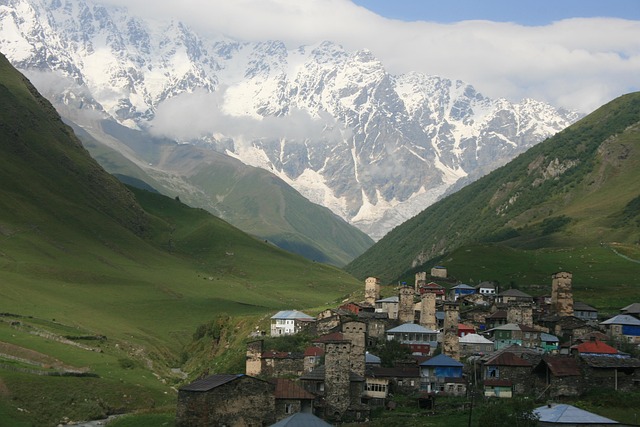
Coverage Across Georgia
Georgia’s 4G coverage is solid across tourist areas, but it’s not uniform. For a detailed breakdown by region, see our Internet & WiFi in Georgia guide.
Excellent Coverage (Fast 4G/5G)
- Tbilisi — Reliable everywhere, 5G in central areas, ~140 Mbps avg
- Batumi — Full coverage along coast and city
- Kutaisi — Reliable 4G throughout
Good Coverage (4G with occasional drops)
- Kazbegi/Stepantsminda — Reliable 4G, including Military Highway
- Gudauri — Good coverage on the slopes
- Mestia (Svaneti) — 4G in town, dead zones on hikes
- Kakheti wine region — Sighnaghi, Telavi well-covered
- Borjomi/Bakuriani — Spa and ski town coverage reliable
Limited or Patchy Coverage
- Tusheti — Very remote, 3G in some areas, no service in others
- Khevsureti — Similar to Tusheti, limited connectivity
- Ushguli — Remote village, signal unreliable
- Backcountry Svaneti trails — Extended dead zones
Frequently Asked Questions
Does eSIM work in Georgia?
Yes. Georgia’s three mobile networks (MagtiCom, Silknet/Geocell, and Cellfie) all support eSIM connectivity. International eSIM providers connect to these local networks and deliver 4G/LTE speeds across the vast majority of the country.
Is Georgia in the EU? Can I use my European SIM?
Georgia is not an EU or EEA member state. EU roaming regulations don’t apply. Your European SIM will incur roaming charges in Georgia — potentially as high as $7 per MB. You need either a local SIM or an eSIM.
How much does an eSIM for Georgia cost?
Plans start from around $4.50–$5.50 for 1GB/7 days. A mid-range 10GB/30-day plan typically costs $12–$35 depending on the provider. Unlimited plans from Holafly start at around $10.90 per day.
Can I buy a SIM card at Tbilisi Airport?
Yes. MagtiCom, Silknet/Geocell, and Cellfie all have shops in the arrivals hall at Tbilisi International Airport (TBS). They’re open 24/7. Tourist SIM packs start from around $7–10, with 20GB available for ~$10.68. Passport required. See our Tbilisi Airport SIM guide for details.
Does my phone support eSIM?
Most phones manufactured from 2019 onward support eSIM, including iPhone XS and later, Samsung Galaxy S20 and later, and Google Pixel 3a and later. Check your phone’s settings or use our compatibility checker to confirm.
Can I keep my home phone number while using an eSIM?
Yes. Your phone runs both SIMs simultaneously. Keep your home SIM in the physical slot for calls and texts, and use the eSIM for Georgian mobile data.
What happens if I run out of data?
Most providers offer the option to top up with additional data through their app or website. With Roamzi, you can top up directly through your account without buying a new eSIM.
Can I share my eSIM data as a hotspot?
It depends on the provider. Roamzi, Saily, and Maya Mobile include hotspot/tethering on all their plans. Airalo varies by plan. Holafly caps daily hotspot usage. Always check before buying if hotspot sharing is important to you.
Is it better to buy an eSIM or a SIM card in Georgia?
For convenience, eSIM wins. Local SIM plans can offer larger data allowances for extended stays, while eSIMs prioritise instant activation, convenience, and flexibility for most trips. Most short-stay tourists prefer eSIM for the instant connectivity and zero hassle. See our full Georgia SIM Card vs eSIM comparison.
Does eSIM work in the Georgian mountains?
Coverage varies. Kazbegi, Gudauri, and Mestia have reliable 4G. Tusheti and remote Svaneti trails are patchy. Download offline maps before heading into remote regions. See our Internet & WiFi in Georgia guide for region-by-region details.
Stay Connected Across Georgia
From Tbilisi to the Caucasus mountains. Buy your eSIM before you fly — online the moment you land.
Browse Roamzi Georgia eSIM PlansLast updated: February 2026. Prices and plan details change frequently. We update this guide monthly.
